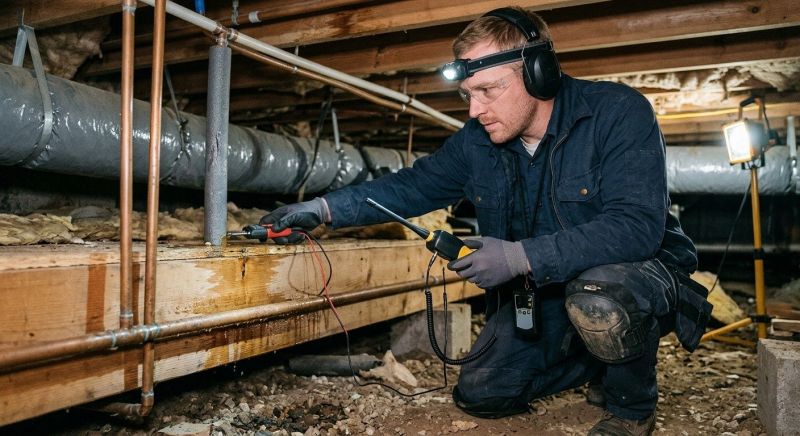
Water Leak Detection in Denver, CO
Water leak detection services help homeowners identify the source of hidden leaks within plumbing systems, walls, floors, or underground pipes. These services are commonly requested for projects involving unexplained increases in water bills, damp spots on walls or ceilings, or the presence of mold and mildew. Property owners typically want to understand whether a leak is causing damage, locate the precise area of the leak, and determine the extent of any water intrusion to plan appropriate repairs.
Before requesting water leak detection, property owners should consider the location and nature of the suspected leak, such as whether it is inside the home or underground. Knowing the history of plumbing issues, recent renovations, or unusual water usage patterns can also help in assessing the situation. Clear information about the affected areas and any visible signs of water problems can facilitate an accurate diagnosis and efficient resolution.
Many property owners in Denver, CO look into Water Leak Detection for repairs, replacements, upgrades, and appearance-related improvements.
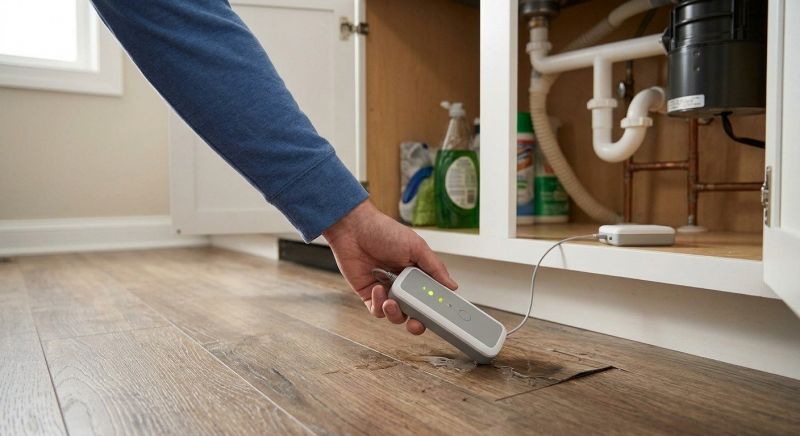
Water Leak Detection Services
Examples of water leak detection work property owners may explore in denver, co.
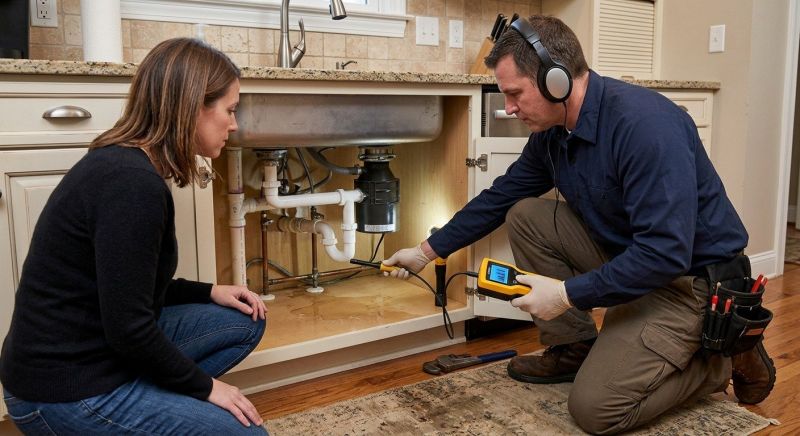
Water Leak Detection Updates
Common ways people refresh, improve, or restore water leak detection features in denver, co.
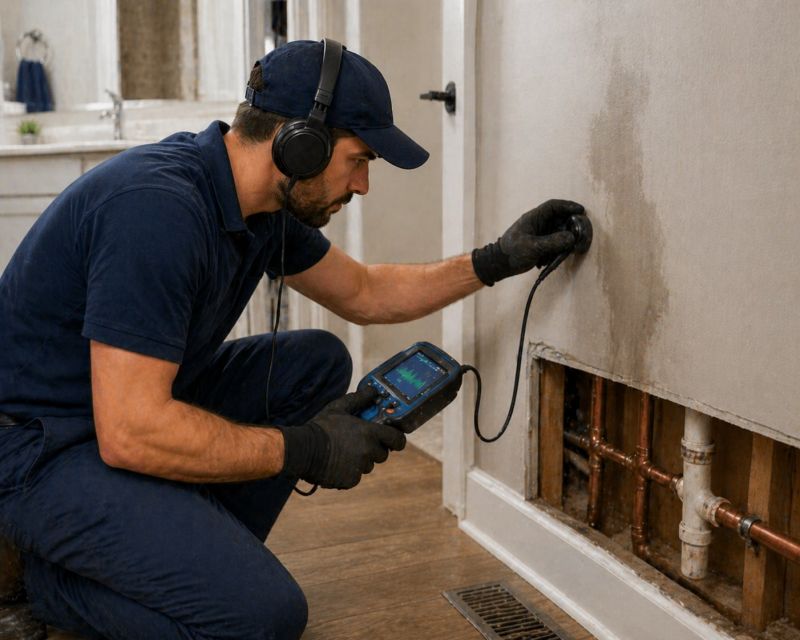
Water Leak Detection Options
Different styles, layouts, and finishes people consider for water leak detection in denver, co.
Water Leak Detection in Denver, CO

Water leak detection services help homeowners identify the source of hidden leaks within plumbing systems, walls, floors, or underground pipes. These services are commonly requested for projects involving unexplained increases in water bills, damp spots on walls or ceilings, or the presence of mold and mildew. Property owners typically want to understand whether a leak is causing damage, locate the precise area of the leak, and determine the extent of any water intrusion to plan appropriate repairs.
Before requesting water leak detection, property owners should consider the location and nature of the suspected leak, such as whether it is inside the home or underground. Knowing the history of plumbing issues, recent renovations, or unusual water usage patterns can also help in assessing the situation. Clear information about the affected areas and any visible signs of water problems can facilitate an accurate diagnosis and efficient resolution.
Many property owners in Denver, CO look into Water Leak Detection for repairs, replacements, upgrades, and appearance-related improvements.
Common Water Leak Detection Jobs
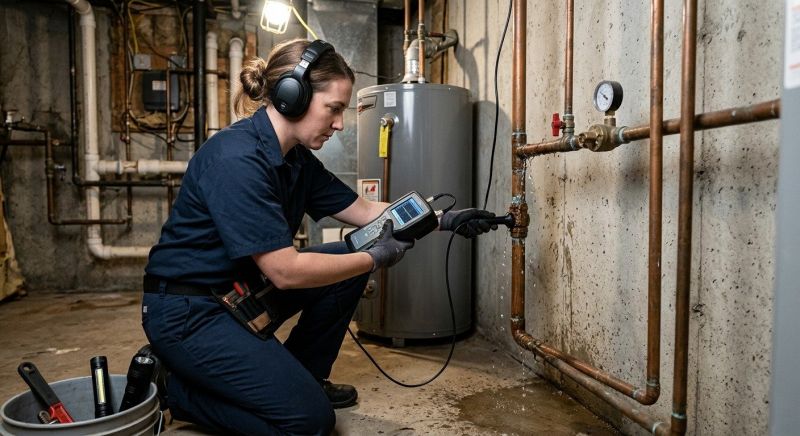
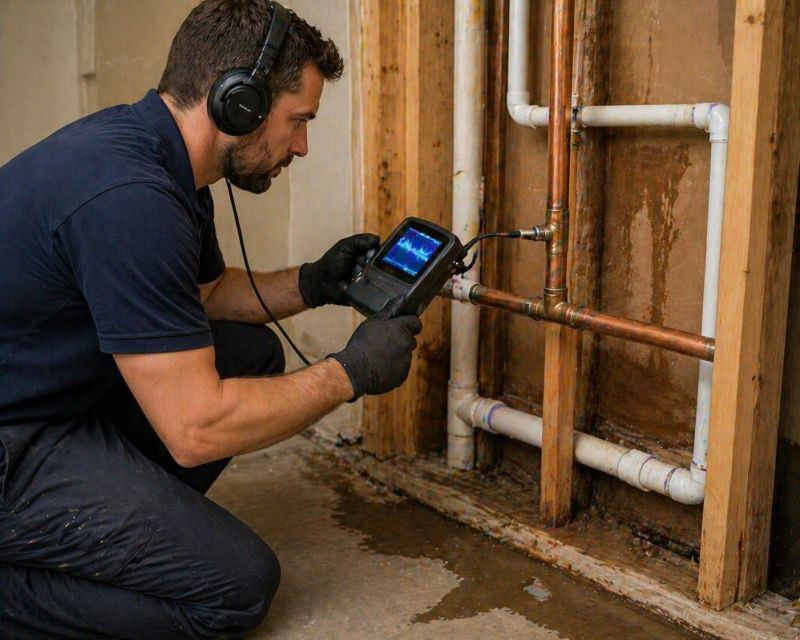
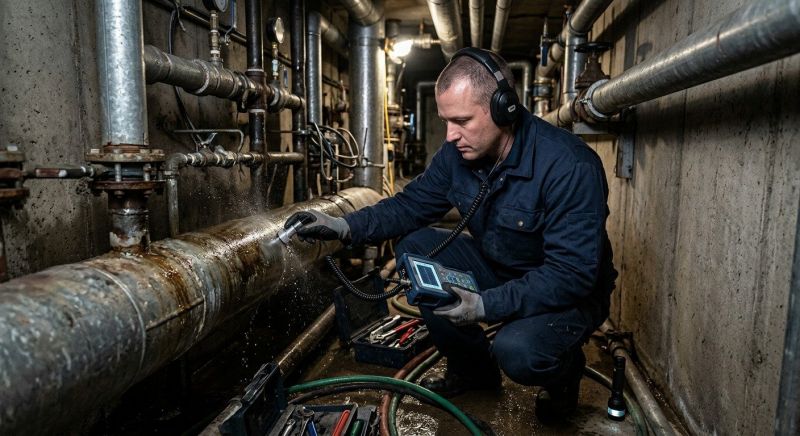
Pipe Inspection - detects hidden leaks within plumbing systems behind walls and under floors.
Basement & Crawl Space Checks - identifies leaks that can cause structural damage and mold growth.
Under-Slab Leak Detection - locates leaks beneath concrete slabs to prevent extensive property damage.
Smart Leak Monitoring - uses advanced sensors to alert homeowners to leaks early before significant damage occurs.
Fixture & Appliance Leaks - finds leaks from sinks, toilets, water heaters, and appliances that may go unnoticed.
Roof & Gutter Leak Detection - identifies leaks from roof penetrations or clogged gutters that can cause interior water issues.
Water Leak Detection Questions
How can I tell if I have a water leak? Signs include unexplained increase in water bills, damp spots on walls or floors, and the sound of running water when no fixtures are in use.
What areas are typically checked during leak detection? Commonly inspected areas include plumbing behind walls, under floors, in basements, and around appliances with water connections.
Why is early leak detection important? Detecting leaks early helps prevent water damage, mold growth, and costly repairs in the future.
What methods are used for water leak detection? Techniques include electronic leak detection, thermal imaging, and pressure testing to locate hidden leaks accurately.
Request Water Leak Detection in Denver, CO
Use the quote form on this page to share the basics of your project and request more information for the type of work you need.